Love is blind
Origin
This expression is first found in Chaucer's Merchant's Tale, circa 1405:
For loue is blynd alday and may nat see. (notice how words have changed in their spelling over the years. I was looking at some gravestones yesterday and saw this to be true!)
It didn't at that stage become a commonly used
phrase and isn't seen again in print until Shakespeare took it up. It
became quite a favourite line of his and appears in several of his
plays, including Two Gentlemen of Verona, Henry V and this example from The Merchant Of Venice, 1596:
JESSICA: Here, catch this casket; it is worth the pains.
I am glad 'tis night, you do not look on me,
For I am much ashamed of my exchange:
But love is blind and lovers cannot see
The pretty follies that themselves commit;
For if they could, Cupid himself would blush
To see me thus transformed to a boy.
Modern-day research supports the view that the
blindness of love is not just a figurative matter. A research study in
2004 by University College London found that feelings of love suppressed
the activity of the areas of the brain that control critical thought.
Of course, we should all take note of J Mason Brewer's advice in Worser Days and Better Times, 1965 (which is described as a 'collection of negro humour'):
I don't make love by the garden gate,
For love is blind, but the neighbors ain't.
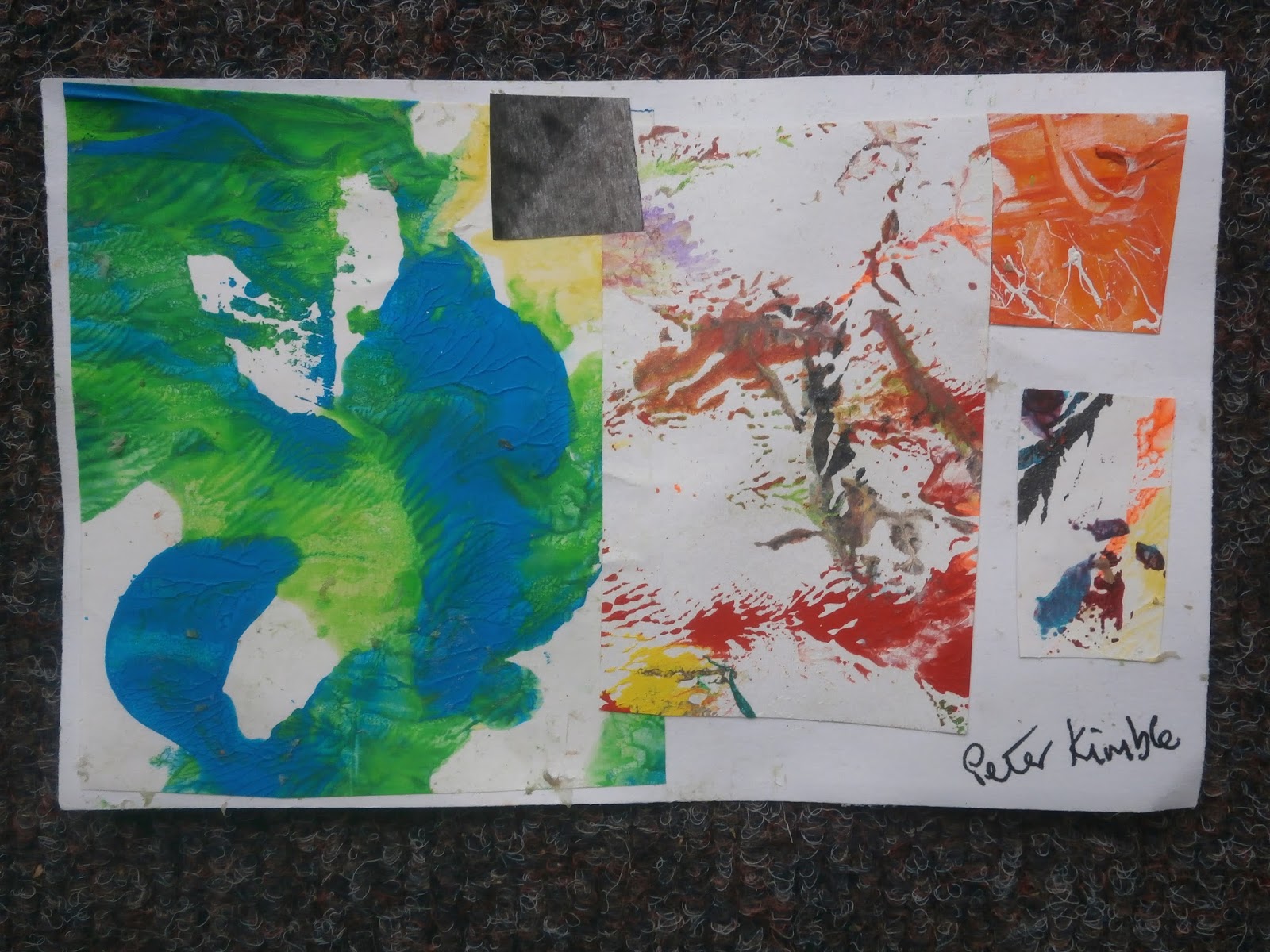
I will share some old shots of my work. This is a
sorry compensation for the pictures I accidently
deleted, but I am at a loss to do otherwise. Sorry.
Have a good day and pass this on, as you are so loved and should come to fully realise this love and think good thoughts, speak good words and do good works. Your brother, Peter.